
Amazon listing optimization tools do four separate jobs: keyword research, copy generation and scoring, image and A+ content work, and rank tracking to prove a change worked. Most sellers need one tool from each group. The large suites bundle all four whether you use them or not, which is why people end up paying for features they never open.
Most of these we use on live accounts. The honest headline: the gaps between them are smaller than their marketing suggests, and software surfaces opportunities but never decides which phrase earns your title.
What Amazon listing optimization tools are for
Optimizing a listing means two things. Match what shoppers search with what your page says. Then make the page convert once it ranks. Tools help with the first half. The second half is copy, images, and price, which no subscription writes for you.
Judge on data quality first. I’d ignore everything else initially. Interfaces are replaceable; bad keyword data quietly wastes months.
The 15 tools, and what each is genuinely good at
1. Helium 10
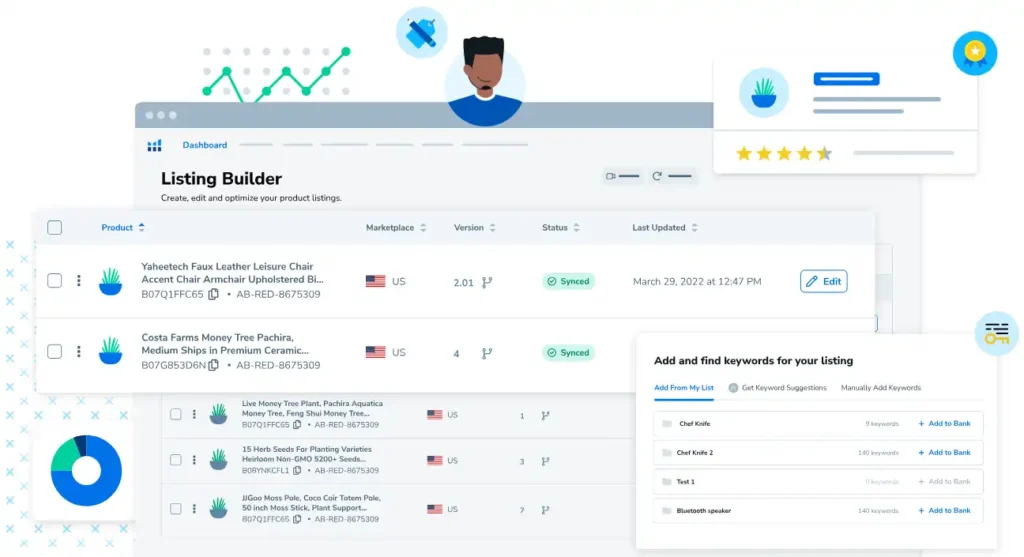
The one I reach for first. Every time, honestly. Cerebro (reverse ASIN) and Magnet (keyword volume) are the reason people pay, and Frankenstein cleans a messy keyword list fast. Scribbles keeps you honest about which terms made it into the copy. Best for: sellers who want one tool for research through listing build.
2. Jungle Scout
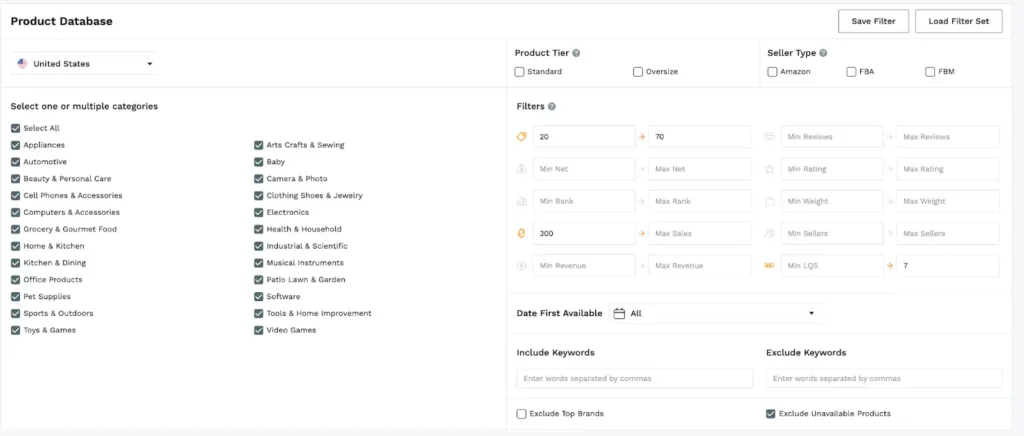
Strong research heritage. The listing tools ride along, and they are fine rather than exceptional. Keyword Scout is solid and the Listing Builder is genuinely usable. Best for: sellers already using it for research who do not want a second subscription.
3. AMZScout
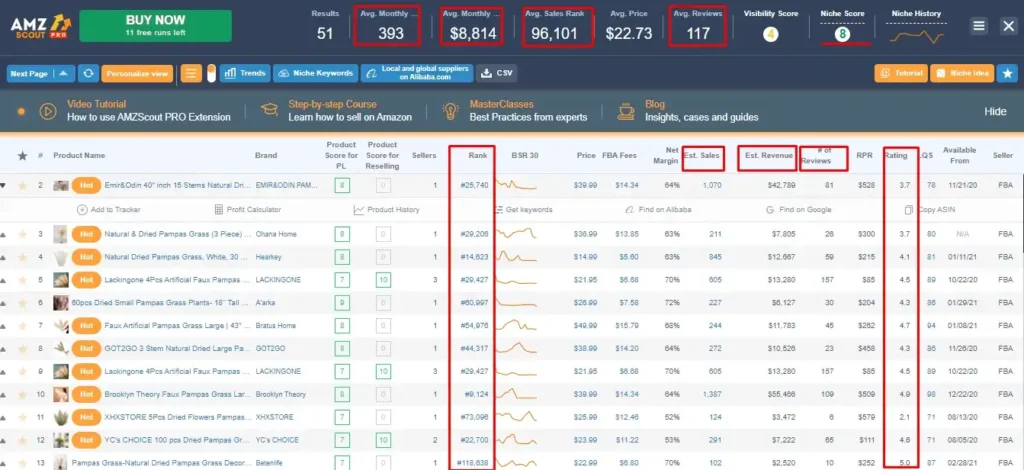
Lighter and cheaper, covering similar ground. Product database, keyword tracking, sales estimates. Best for: budget-conscious sellers who want the essentials without suite pricing.
4. SellerApp
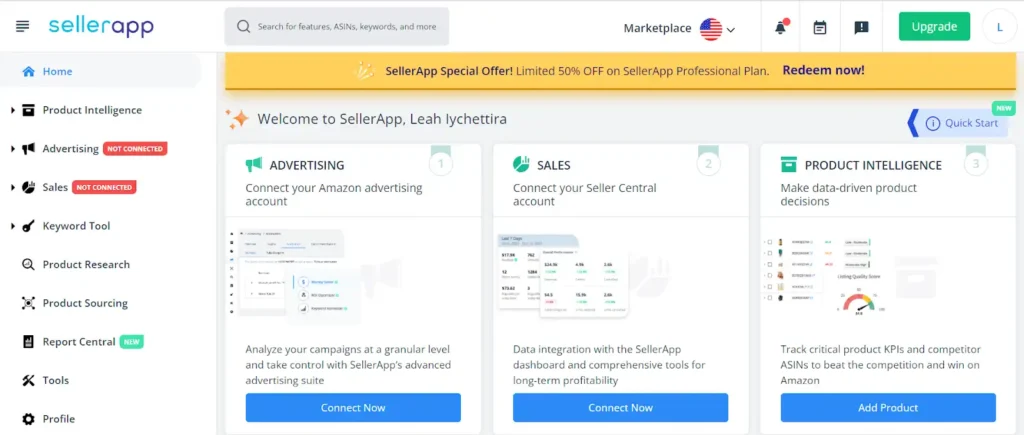
Good reports. Its listing quality checker gives an actionable score instead of a vague grade, which I appreciate. Review sentiment analysis is a nice touch for finding objections to answer in your bullets. Best for: sellers who will actually open a weekly report.
5. ZonGuru
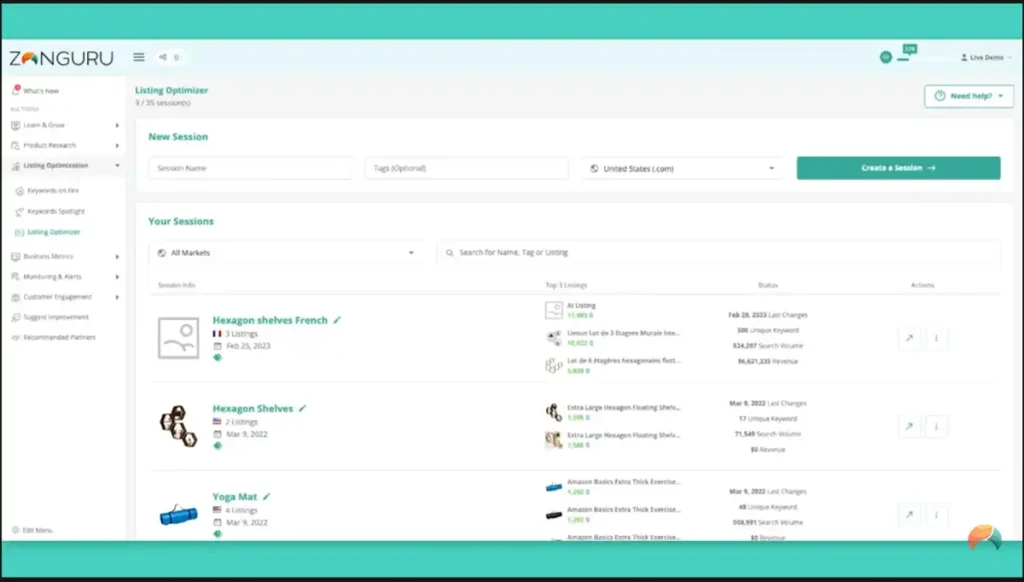
Pairs research with optimization. The keyword-to-listing workflow is decent. Best for: sellers moving straight from product selection into writing the page.
6. Viral Launch
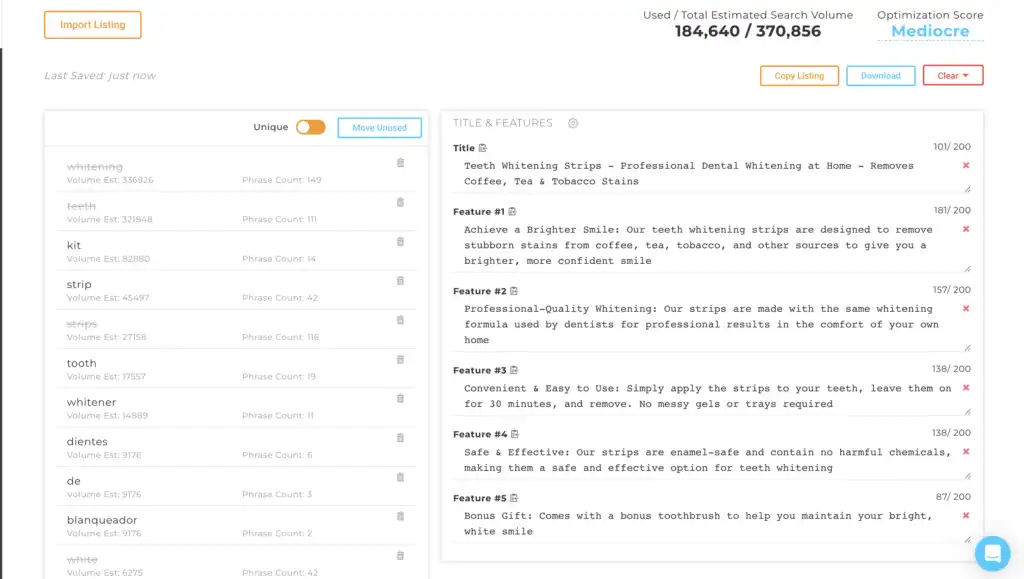
Launch-oriented. Its research shines before you have sales data of your own. Best for: new products in their first 90 days.
7. Sellics
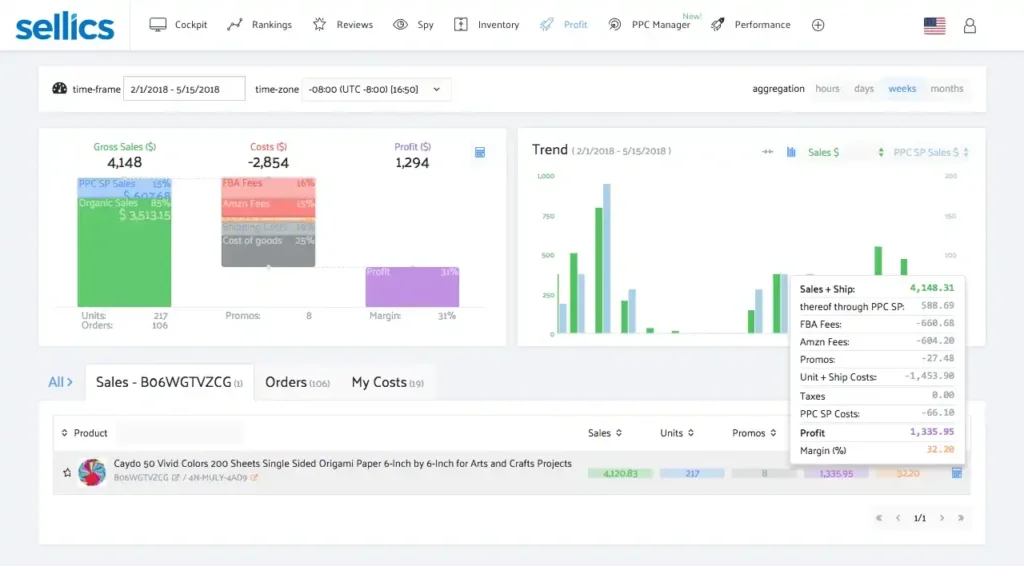
Combines listing work with ad management. That suits teams treating organic and paid as one problem, which I think is the right instinct. Best for: mid-size sellers running both seriously.
8. MerchantWords
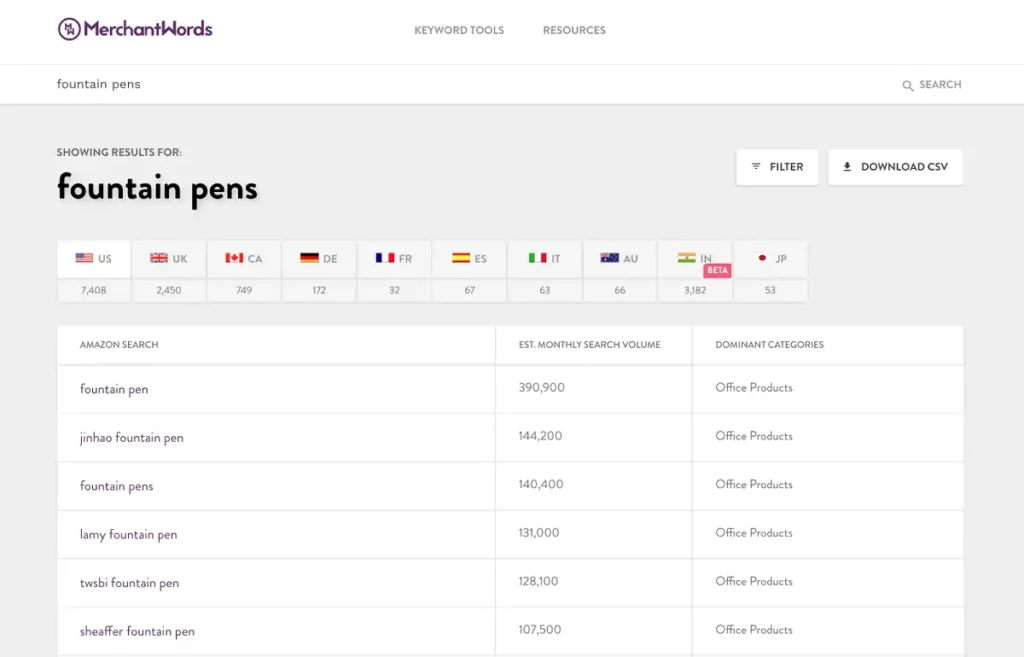
Search volume data. Not much else, and that focus is the point. Pair it with something that handles copy and tracking. Best for: sellers who want a second opinion on keyword volume.
9. DataHawk
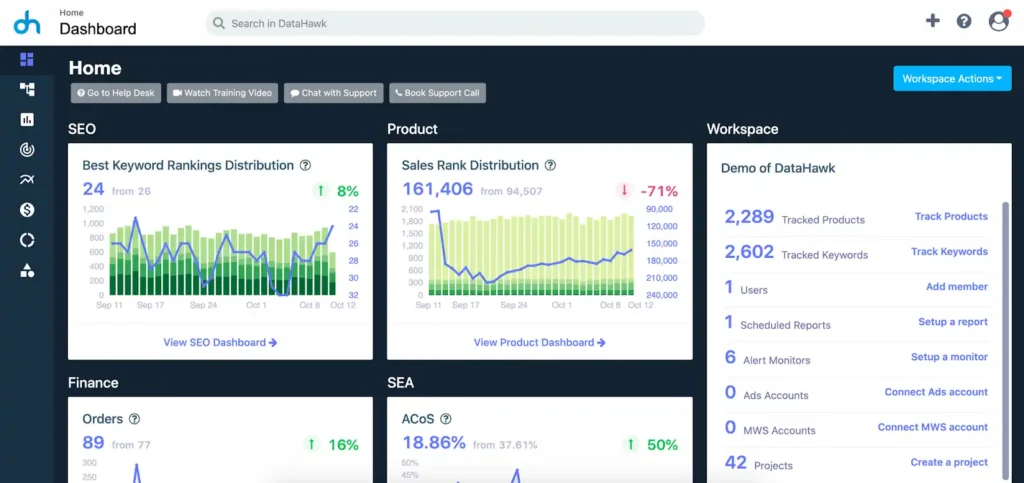
Analytics first. Keyword ranks, BSR history, category tracking, all exportable. Best for: sellers who build their own reporting in a spreadsheet.
10. Scope by Seller Labs
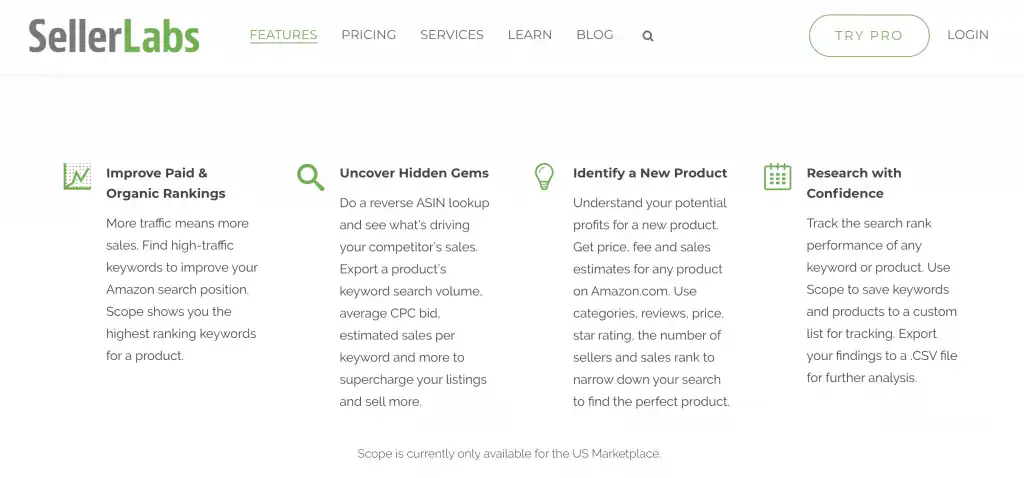
Reverse-ASIN discovery with plain profitability views. Refreshingly simple. Best for: sellers who find the big suites overwhelming.
11. Kibly
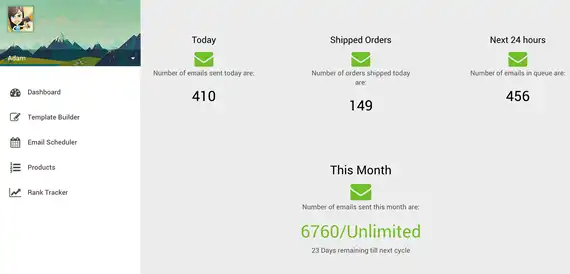
Focused on buyer messaging and reviews, not the listing itself. Worth knowing because reviews feed the conversion side of optimization. Best for: sellers with a review deficit.
12. Sellics Benchmarker
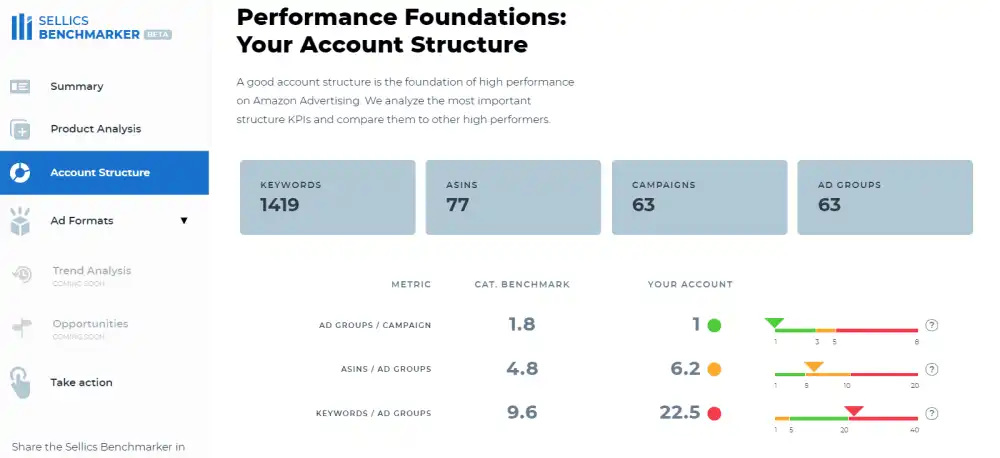
Compares your metrics against category benchmarks, which is useful context when you cannot tell whether a 12% conversion rate is good. Best for: sellers who want to know where they actually stand.
13. FeedbackWhiz
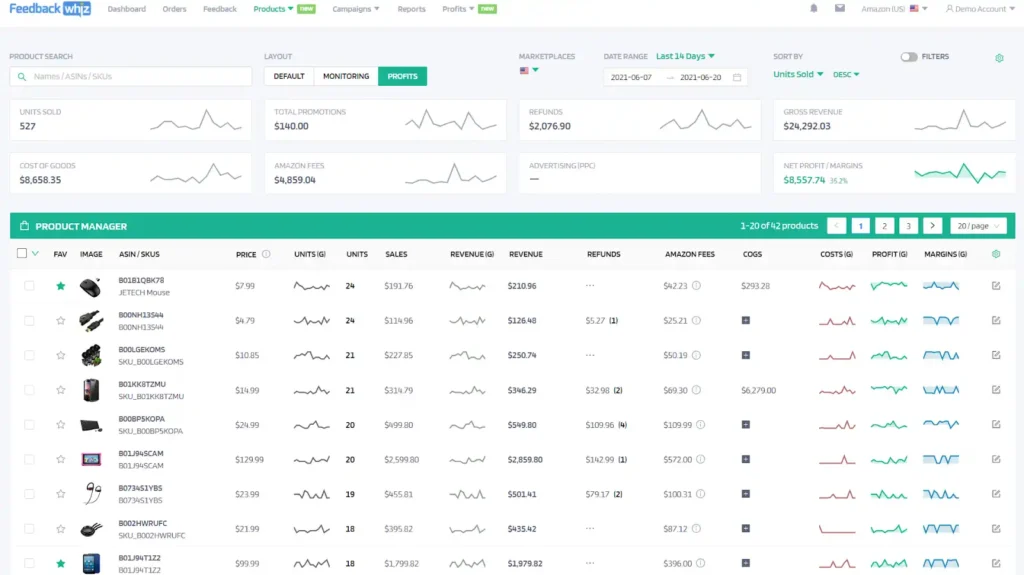
Review and listing-change monitoring, with alerts when someone edits your detail page. That last feature has saved clients from hijacked content more than once. Best for: brands with a hijacking or review problem.
14. Keyword Tool Dominator
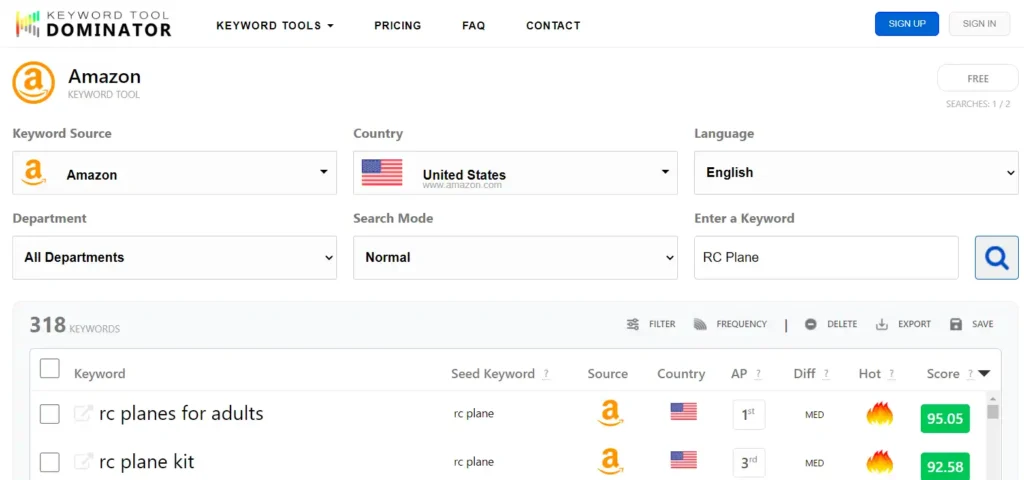
Pulls Amazon’s own autocomplete suggestions. Simple, cheap, and closer to real shopper language than modelled volume data. Best for: quick long-tail discovery.
15. Pixelfy
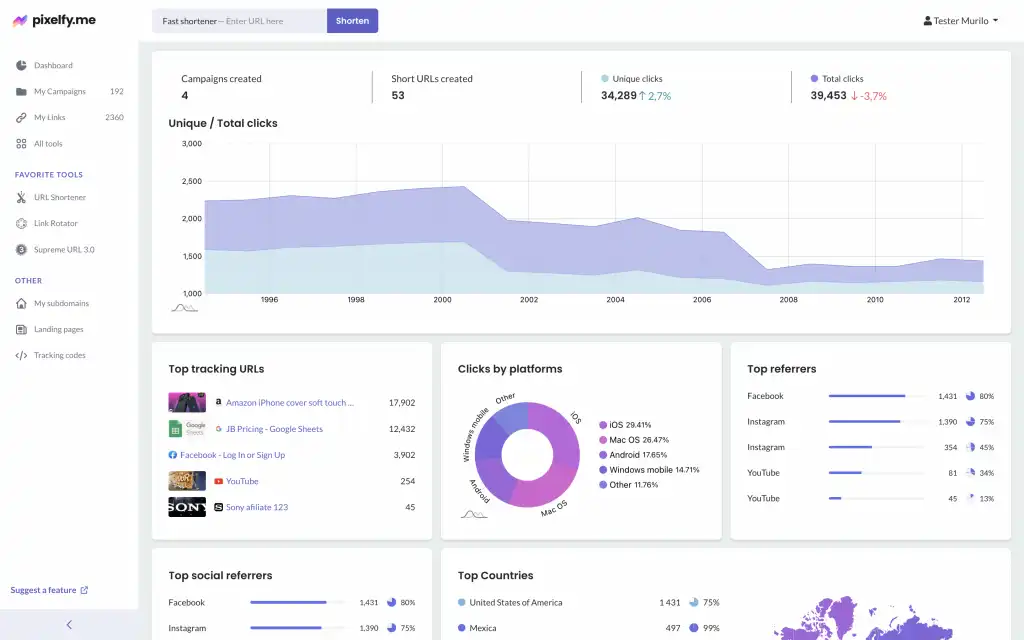
Link tracking and attribution for external traffic campaigns. Adjacent to listing optimization rather than part of it. Best for: sellers driving off-Amazon traffic.
Which one should you actually buy?
| Your situation | Start with | Why |
|---|---|---|
| First product, tight budget | Keyword Tool Dominator or AMZScout | Real search language, low cost |
| Scaling catalog | Helium 10 or Jungle Scout | Depth and breadth in one place |
| Running heavy PPC too | Sellics | Organic and paid in one view |
| Build your own reports | DataHawk | Clean exports |
| Review or hijack trouble | FeedbackWhiz | Alerts you actually need |
We ignore feature lists now and pick on data quality and whether the reports get read. One good keyword tool beats three mediocre suites, and I’ve canceled more subscriptions than I have kept.
What no tool will do for you
- Choose your primary keyword. Software ranks options; relevance and margin decide.
- Write copy that answers objections. That comes from reading your own reviews, not a generator.
- Produce images that convert. Design is a skill, not a feature.
- Fix a bad price. No listing wins on copy alone against a cheaper, better-reviewed rival.
Prefer the outcome to the software? Our listing optimization service covers keyword research, copy, and the listing images that decide whether a ranking converts, and our A+ content design team handles the modules below the fold. If you’re comparing providers, our guide to hiring a listing optimization expert covers what to ask before you pay anyone.
FAQ
Which Amazon listing optimization tool is best for beginners?
Start with a free or cheap keyword tool and add others only when a specific job is blocked. Buying a full suite before you know your workflow usually means paying for features you never open.
Do these tools guarantee higher rankings?
No. They provide keyword and competitor data. Ranking still depends on relevance, conversion rate, and sales velocity, which come from the page you write and the price you set.
Are AI listing generators worth using?
As a first draft, yes. As a finished listing, no. Generated copy reads generically and misses the specific objections your reviews reveal, so treat the output as raw material.
How do I measure whether optimization worked?
Track organic rank on your target phrases, session-to-purchase conversion, and organic sales share, all against a before snapshot. Without that baseline you are guessing, and I’ve watched plenty of sellers guess.
How many tools do I actually need?
One for keyword data, one for tracking, and whatever handles your images. Three subscriptions is plenty for most catalogs, and two is often enough.
Last updated: August 24, 2026. Tool features and pricing change frequently, so confirm current plans with each provider.