Photos do a lot of heavy lifting on Etsy. They catch a shopper’s eye before anything else and can often make the difference between someone buying or scrolling past. When it’s cold outside and people are inside browsing from their phones or laptops, listings with strong images tend to stand out the most. Winter businesses get less foot traffic, so getting more attention online becomes even more important.
Etsy product photography does not have to be complex, but it does need to be clear and thoughtful. Customers cannot touch or hold your product, so your photos need to tell the full story. With many sellers in every category, better images help your shop look more professional and trustworthy. This guide walks through a few useful tips to help make your listings look cleaner, brighter, and more inviting, even during a slower season.
Pick the Right Spot to Shoot
Natural light is your best friend. In January, daylight hours are shorter, which means timing matters. Finding a window with strong mid-day light is ideal. Move your setup there, and try a few shots when the sun is bright but not harsh. Aim for a soft, even glow on your product, with minimal shadows.
Skip ceiling lights or lamps if you can. They often add yellow tones or harsh shadows that do not look great in photos. If natural light is not enough, use a ring light or soft-light panel made for photos, and position it so it lights your product from the front or slightly to the side.
Where you take the photo is just as important as how. A clean, plain background works best for most product types. Go for something simple like a floor, tabletop, or large sheet of paper. Keep the scene relaxed and quiet so the product stays the clear focus.
Show the Product in Use
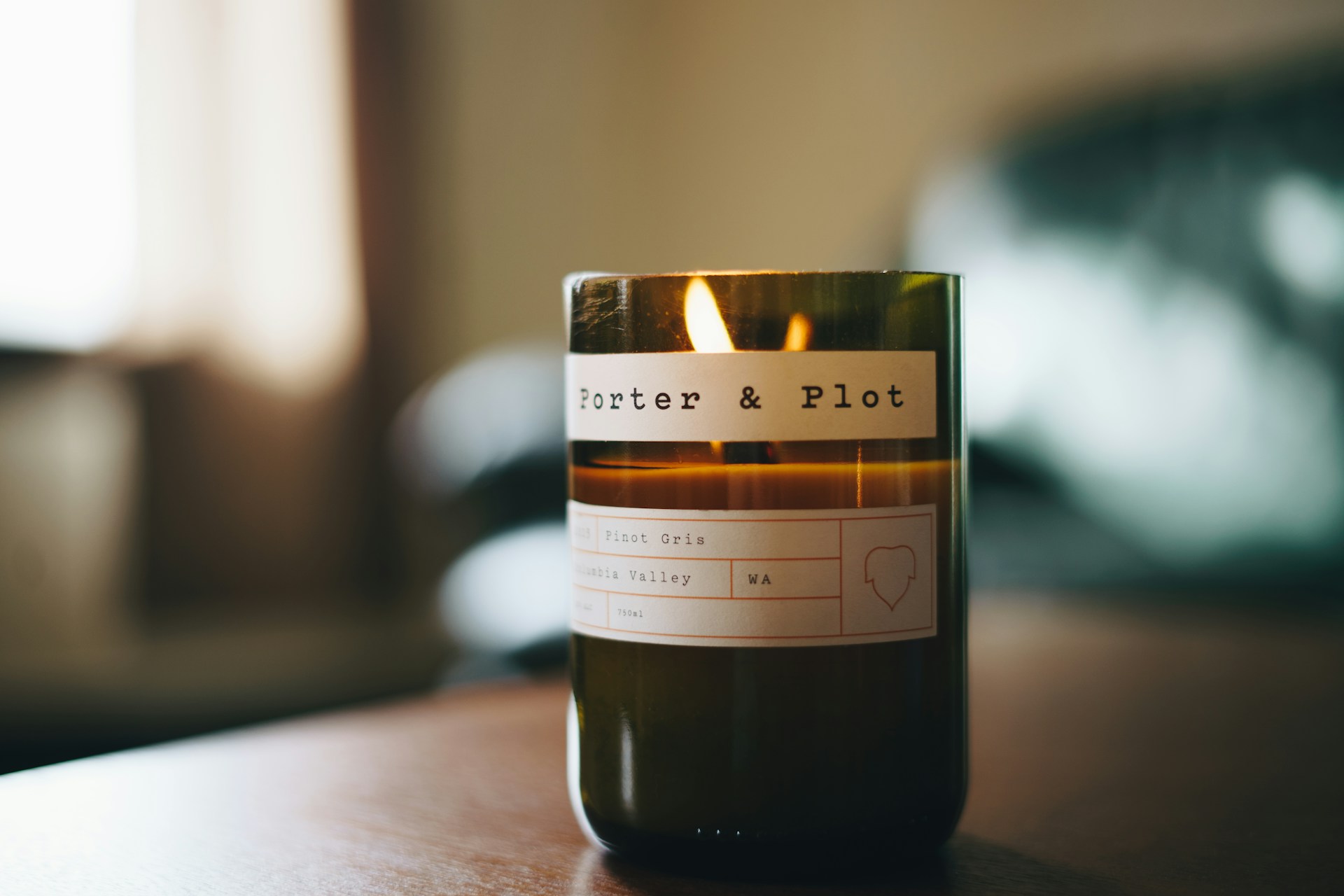
Shoppers like seeing how something fits into real life. Especially during winter, people are thinking about how things feel indoors, warm, soft, and calming. Use that feeling to shape your scenes. If you sell candles, show one glowing on a cozy nightstand. If you make knitwear, display it being worn while reading by a window.
When you add props, start small.
- A book
- A mug
- A plant
Props should support the product but never distract from it. They are there to help tell the story, not take over the frame.
Try showing a few angles.
- One straight-on
- One from above
- One close-up
The more clearly buyers can picture the product in their hands, the more confident they will feel clicking Add to Cart.
Keep It Clean, Clear, and Simple
Too much styling or too many items in one photo can feel messy. Keep your setup tidy so the eye goes straight to what you are really selling. That might mean moving a distraction out of the frame or choosing a background that fades without effort.
Center your product unless you are showing action, such as someone using it. If the object looks balanced and easy to see, buyers stick around longer.
Make sure your images are clear and crisp. If something is blurry, too dark, or taken from too far away, it can confuse your viewers and hurt your shop’s reputation. High resolution will help with zooming and close-ups, especially for products where detail matters.
Edit Just Enough to Match Real Life
Short winter days can cast a blue or gray tint on original photos, so a little editing helps. Brighten the image slightly and crop it so the product fills the space without being cut off. But do not add filters or change the colors too much.
The goal is to match what someone will actually open in their mailbox. If the shirt is tan but the photo makes it look rosy pink, that mismatch can lead to returns or bad reviews. Stick with edits that help more than they change.
Think about consistency. When all your listings have the same background tone or lighting style, your shop looks more organized and professional. It builds trust without saying a word.
Make the Most of Etsy’s Photo Slots
Etsy allows up to ten photos per listing, and using that space wisely is one of the easiest ways to give more value to shoppers. Each image should show something new. Avoid repeating the same angle or scene just for filler.
Instead, think of how each spot can tell a different part of the story. Include things like:
- A clean front-facing shot
- A close-up of anything textured
- A photo showing how it is used
- One with a ruler or hand for size reference
- A flat lay with related items nearby
Mix in at least one plain background shot and one context shot. Lifestyle photos give your product personality, while blank scenes show the clearest view. Using both helps appeal to different types of shoppers.
Help Your Products Get Noticed
It takes effort to get Etsy product photography right, but done well, it turns heads. Good photos make people feel like they have already experienced your product before they buy it. That trust is difficult to build with words alone, especially during quieter times of the year.
Every detail matters. From the way light falls on a surface to how clean your crop looks, it all adds up. Product photography is not just about having a camera handy. It is about slowing down, being thoughtful about what the shopper sees first, and creating a place where your work can speak for itself. That is the part that really helps your shop stand out.
Strong images do more than make your shop look nice; they build confidence, keep shoppers curious, and help turn clicks into sales. If you are ready to clean up your listings or refresh how your items show up in search, now is a great time to rethink your setup. With smart lighting, clean framing, and a few seasonal touches, your listings can do more of the selling for you. For extra support making your shop shine, we offer help with Etsy product photography. Reach out to ZonHack to get started.